
National news
Nepal Army's Rescue Mission: Over 11,800 Lives Saved After Devastating Rasuwa Floods
2 September 2026
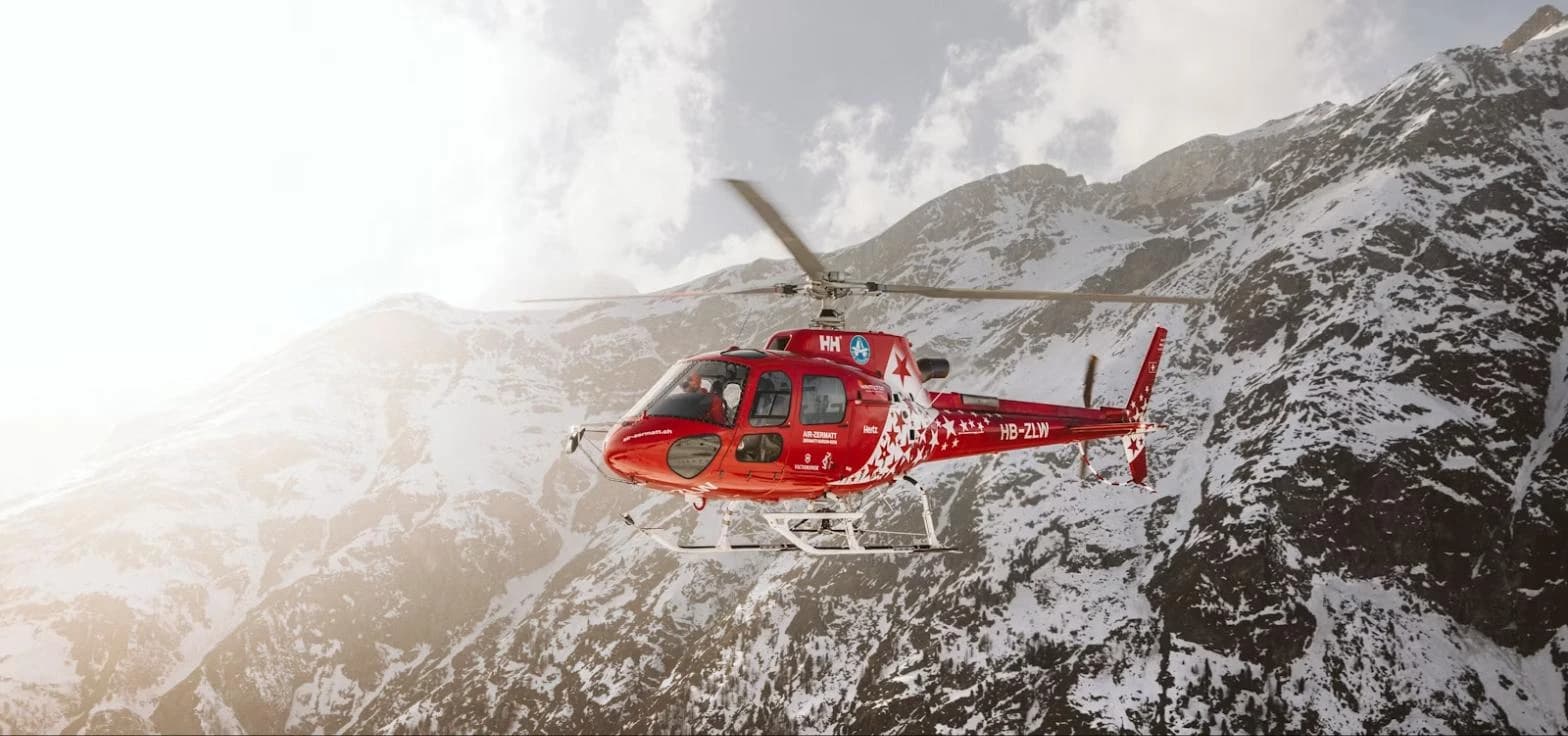
A glacier-triggered flash flood tore through the Bhotekoshi and Trishuli river valleys on August 26, 2026, devastating Rasuwa district near Nepal's border with Tibet and sweeping downstream through hydropower plants, roads and settlements in eight districts. In the week since, the Nepali Army has led the largest search-and-rescue operation in the country's recent history, working alongside the Nepal Police, Armed Police Force and international partners to reach survivors cut off by landslides, collapsed bridges and washed-out roads.
A Wall of Water With No Warning
The flood originated as a sudden surge of water and debris down the Bhotekoshi river in Rasuwa, close to the Tibetan border, before flowing into the Trishuli river system. Entire settlements including Timure, Syabrubesi, Dhunche and Mailung were swept away or cut off, with some communities separated by only 100 to 200 metres yet completely isolated from each other after roads and bridges collapsed. As of early September 2026, Nepal's National Disaster Risk Reduction and Management Authority has confirmed nearly 1,000 deaths, with Chitwan, Nawalparasi East and Nawalparasi West among the worst-hit districts, and thousands of people, including hundreds of hydropower workers and foreign nationals, still unaccounted for.
The Nepali Army's Rescue Effort
More than 21,000 security personnel, including over 8,300 Nepali Army troops, were mobilised across the affected districts. In Rasuwa alone, the Army rescued 2,697 people, 2,497 of them by helicopter and 200 by ground teams, including 216 foreign nationals from India, China, South Korea, Germany, the United States, Italy and Oman. Nationwide, more than 11,800 people have been rescued since the disaster began, with six military helicopters and eight private aircraft flying daily missions between 10am and 6pm, the only window Himalayan weather conditions allowed. Army medical teams have treated 2,740 people, with 279 injured still receiving ongoing care.
Racing to Reach Trapped Hydropower Workers
A week on, the Army is leading the harder task of reaching workers trapped in underground hydropower facilities along the Bhotekoshi and Trishuli rivers, including the Upper Trishuli-1, Upper Trishuli-3A, Upper Trishuli-3B, Rasuwagadhi, Langtang Khola and Chilime projects, where close to 950 people remain unaccounted for. Joint teams of Army personnel, Nepal Police, Nepal Electricity Authority technicians and international specialists from China, India and South Korea are drilling through blocked tunnels and clearing debris with excavators, while a specially trained search-and-sniffer dog team has been deployed to the Upper Trishuli-1 site. Home Minister Sudan Gurung said authorities are also exploring drilling down from above the tunnels to reach anyone still trapped inside.
A Coordinated, Whole-of-Nation Response
Nepal has kept rescue operations under centralised Army-led command rather than allowing multiple foreign teams to work independently, a deliberate move to avoid the coordination problems that hampered the response to the 2015 earthquake. Families have gathered outside Army camps searching casualty lists for news of missing relatives, even as the Army, Nepal Police and Armed Police Force continue operations in some of the country's most remote and difficult terrain. The scale and speed of the response has drawn praise from disaster relief agencies, underscoring the critical role the Nepali Army continues to play in protecting communities when the country needs it most.
More on hiring from Nepal
- AI Helps Nepal Preserve Indigenous Languages in the Digital Age. — Digital news
- Nepal Government Directs State Agencies to Prioritize Domestic Products. — Business news
- Nepal's Manpower Agencies Halt Labour Approvals — What Employers Hiring Gorkha Manpower Need to Know — Government Policy
- All news and regulatory updates — Labour approvals, policy change and what it means for employers
- Manpower recruitment from Nepal — Sourcing, vetting, documentation and deployment, end to end
- Candidate support — What deployment involves for the people we place